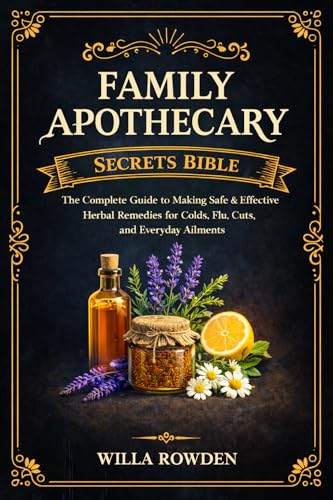
The first apothecary purchase is often a set of glass jars or a handful of dried herbs that looked appealing online. Before buying either, decide what you want to learn: plant identification, the history of traditional uses, or the practical details of storage and preparation. A well-chosen reference can answer more useful questions than a shelf full of ingredients.
Choose a Book for Its Job
A field guide is designed to help you identify plants, often with photographs or illustrations and notes on where they grow. A materia medica or herbal reference may focus instead on individual plants, their traditional contexts, and cautions. Read the contents page and a sample before choosing; a beautiful book is still a poor fit if it does not cover the questions you actually have.
Pay attention to how the author distinguishes tradition, personal interpretation, and established evidence. Look for clear plant names, preparation context, and safety information rather than sweeping claims. We may link to books or basic tools as affiliate recommendations, which can earn Orayion a commission; a link is not a substitute for checking whether a resource is responsible and suited to your purpose.
Keep the First Tools Modest
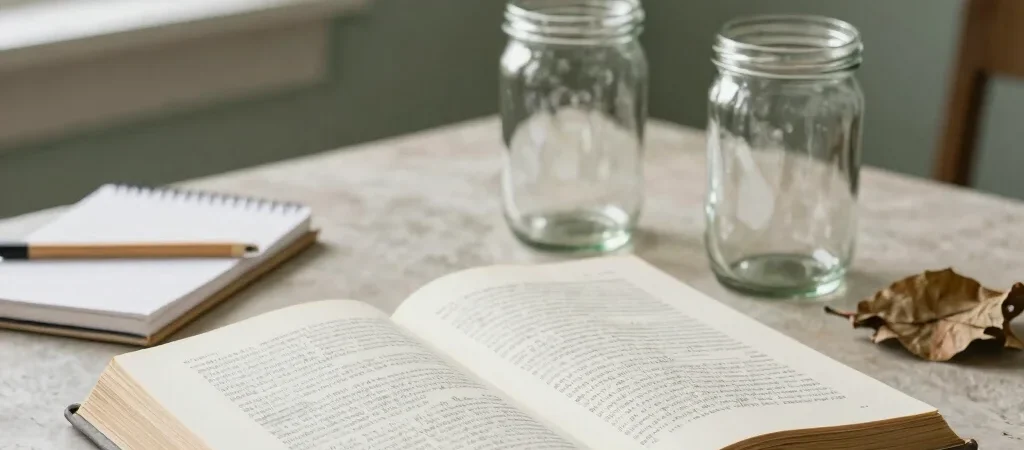
For learning and organizing, a notebook, pencil, and a few clean, labeled containers may be enough. If you do buy jars, choose a size you can use and store safely, and label contents clearly rather than relying on memory. Avoid purchasing herbs in bulk before you know how they are sourced, stored, or relevant to the learning you want to do.
Traditional use is valuable context, but it does not establish that a plant is safe or effective for every person or purpose. Herbs can have side effects and interact with medications, and identification matters; do not consume a wild plant based on a single image or informal description. For health concerns, pregnancy, medication questions, or personal safety guidance, speak with a qualified healthcare professional.
Build Knowledge Before Stock
A useful first shelf might contain one dependable reference, a place to record questions, and only the materials needed for a specific, well-understood project. Let the shelf grow as your knowledge does. Starting with careful observation keeps herbalism connected to plants and their contexts, rather than turning it into a collection of jars you are not sure how to use.